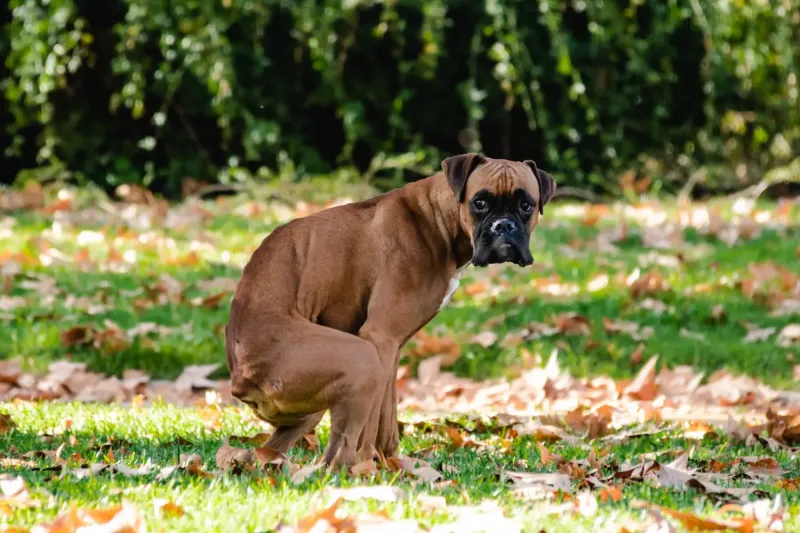

The colour of dog poop will provide useful information regarding the inner health of a pet. Alterations in the stool can indicate the problems with the diet, infection or severe conditions. This article describes the meanings of various colours of a dog’s stool (狗狗大便顏色) and when they are cause to concern. The colour of poop allows the owners to diagnose the health issues at a very early stage.
Explains what different stool colours mean and when to worry
Brown stool
Normal dog poop is normally of brown color, light tan to dark chocolate. This normal brown colour is formed by the bile of the liver, and the digestion food. The following are the features of healthy brown stool:
- Chocolate brown: Perfectly normal colour is a sign of a normal production of bile as well as normal digestion at its best.
- Tan or light brown: This is normal, but light brown colour might indicate an intestinal transit time that is faster than normal.
- Dark brown: Although normal, very dark brown may be an indication of slow digestion and concentrated bile.
- Consistent shade: Day to day regular brown colour is indicative of regular digestive health and good diet.
- No colour changes: It is normal and there is no problem with the digestive system, thus it is remaining within the colour brown range.
Red or bloody stool
The presence of red blood in stool means that one is bleeding somewhere in the lower gastrointestinal tract i.e. colon or rectum. Streaks or full colour of bright red blood must always be attended to by the veterinarian. The following are the reasons of red or bloody stool:
- Colitis: The inflammation of the colon leads to the appearance of blood in the stool in bright red color with the presence of mucus.
- Parasites: Hookworms, whipworms, and other intestinal parasites that result in bleeding which is manifested by red streaks
- Anal gland issues: Anal glands that are infected or impacted may result in blood on the exterior of the stool.
- Polyps or tumours: The growths in the lower intestine can be bleeding intermittently and appear in the form of red spots.
- Emergency signs: Large amounts of blood or bloody diarrhoea are emergency cases that should be taken to the veterinary.
Black or tarry stool
Tarry black stool resembles asphalt or coffee grounds and it is extremely foul smelling. This colour is the sign of the digested blood of the stomach or the small intestine at the upper part. The causes of the black tarry stool are as follows:
- Upper GI bleeding: Digested black blood is caused by a bleeding ulcer or tumour of the stomach or upper intestine.
- Swallowed blood: Dogs with bleeding mouths, noses, respiratory tracts can pass black stool.
- Medication side effect: There are some drugs that may result in stomach bleeding, and these are mainly the non-steroidal anti-inflammatories.
- Toxin ingestion: Rat poison, as well as other toxins that disrupt the clotting of blood, cause black tarry stool.
- Emergency status: Any tarry or black stool should be taken to the veterinary immediately because it is the indication of active internal bleeding.
White or grey stool
Stool that is white, grey or clay coloured signifies a total absence of bile that gets to the intestines. This colour is an indication of major issues of liver, gallbladder or pancreas. The causes of the white or grey stool are as follows:
- Bile duct obstruction: This is obstructed due to the inability of bile to flow out of the liver into the intestines.
- Liver failure: Liver failure, severely damaged livers are unable to produce sufficient bile to turn the stool brown.
- Pancreatic cancer: The tumours may cause obstruction of the bile duct due to the compression of the pancreas.
- High calcium diet: Dogs on raw diets where there is too much bone in them will produce dry and white chalky stool.
- Urgent vet visit: White or grey stool is always the symptom of serious illness that requires a diagnosis as soon as possible.
Finally
The colour of dog stool is important as it is a good indicator of digestive, liver and bleeding issues. Brown color indicates good health whereas the green, yellow, red, black or white stool is an indication of several problems that need to be addressed. The owners who examine the colour of the poop on a daily basis identify issues at an early stage when they can be treated effectively.